
Your Gateway to Serene St. George and Santa Clara Utah Escapes
What’s Covered on This Page
- The Real Steps to Starting a Short-Term Rental Business
- Building a Business Plan That Covers More Than Launch Day
- Permits, Zoning, and HOA Rules Santa Clara Owners Must Check
- Can I handle short-term rental permits myself, or do I need help?
- What’s the biggest mistake new short-term rental hosts make in Santa Clara?
- How does Santa Clara zoning affect where I can operate a short-term rental?
- Why do short-term rental permits need renewal instead of a one-time approval?
- Do HOA rules matter if the city already allows short-term rentals?
- How do I know if my property type needs extra inspections before I can list it?
Need How to Start a Short-Term Rental Business in 2026: A Beginner’s Guide?
Book Now
The Real Steps to Starting a Short-Term Rental Business
We get asked this constantly. People want to know where to start, not just what a short-term rental is. So here’s the order that works, based on what we see succeed and what we see stall out.

- Check Santa Clara zoning and short-term rental rules before you buy or list anything. Some neighborhoods restrict rentals under a certain length of stay.
- Decide on property type. A single room, a whole house, and an accessory dwelling unit each face different local requirements.
- Register your business name and get a tax ID. This step protects you and keeps your bookkeeping clean from day one.
- Apply for any required short-term rental permit through the city. Inspections can take a few weeks, so don’t wait until you have guests booked.
- Set up landlord or short-term rental insurance. Standard homeowner policies usually don’t cover paying guests.
- Furnish and prep the space for guests, thinking through comfort, safety, and cleanliness standards.
- List your property and start managing bookings, pricing, and guest communication.
Here’s where most people trip up. They furnish the whole property, buy new furniture, order linens, then find out the city needs an inspection before anyone can stay overnight. We’ve seen hosts sit on empty units for a month because they skipped step four.
And permits aren’t a one-time thing. Santa Clara, like many California cities, may require annual renewal or periodic inspection depending on your property type. Building codes and fire safety rules also shift over time, so a setup that passed last year might need updates this year.
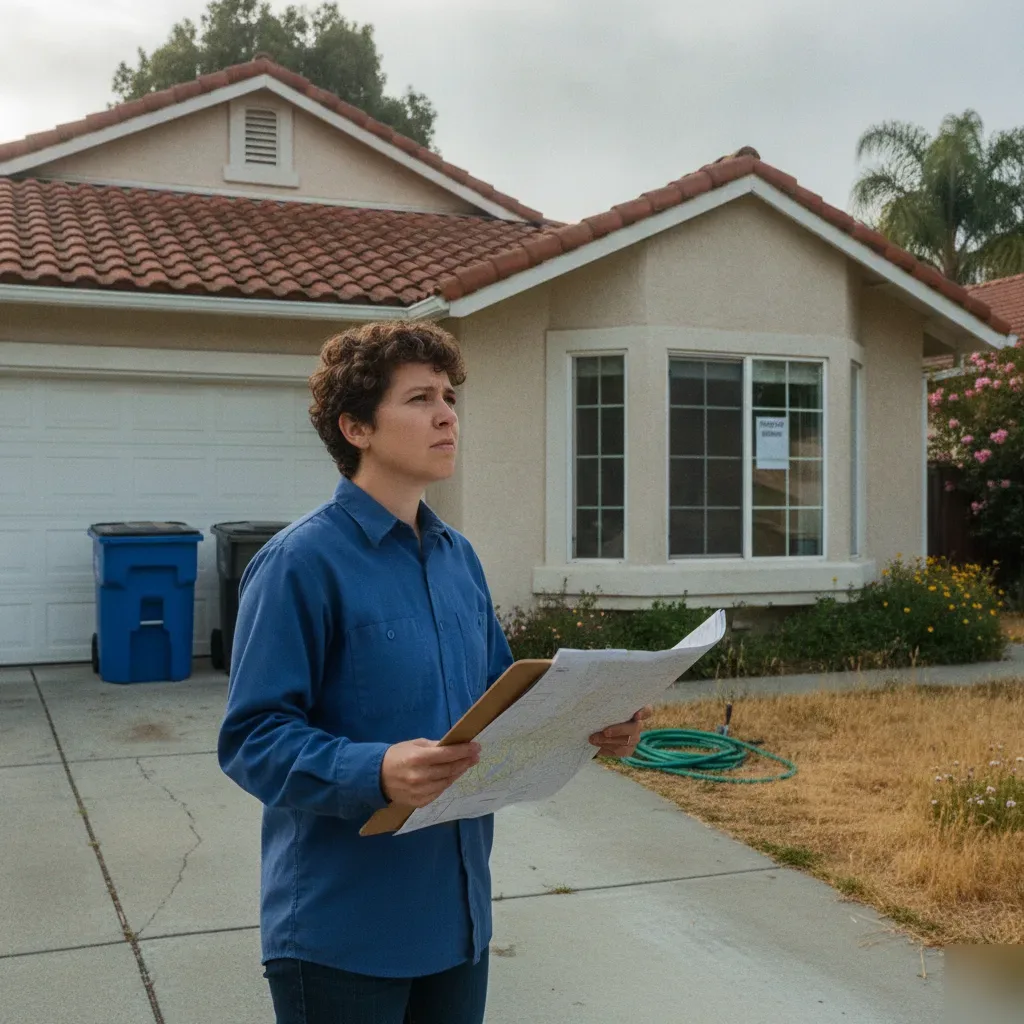
Picture a host who buys a duplex near downtown Santa Clara planning to rent one unit short-term. She skips the zoning check, furnishes the unit, then learns the property sits in a zone that only allows stays of 30 days or longer. That’s a costly mistake that a five-minute call could have prevented.
This is exactly the kind of thing that trips up new hosts every year.
See how we help hosts get started
Building a Business Plan That Covers More Than Launch Day
Most new hosts write a plan that stops at the ribbon-cutting. They map out furniture, photos, and a listing price, then call it done. But that first weekend of bookings is the easy part. The real test comes three months in, when the excitement wears off and the calendar still needs filling.

We’ve watched owners near Santa Clara open strong in spring, then panic in the slower stretch of late fall. Their plan never accounted for the dip. A solid business plan treats launch day as one line item, not the whole page.
So what belongs in a plan built to last past year one? Think ongoing costs and rhythms, not just startup tasks.
- A cleaning and turnover system that works even on back-to-back booking days
- A cash reserve for slow months, HVAC repairs, or a broken water heater
- A guest communication routine that answers questions before they’re asked
- A seasonal pricing approach tied to demand around nearby trails and red rock scenery
- A plan for permit renewals and any required inspections, so nothing lapses quietly
That third bullet matters more than people expect. Guests who book a stay near Santa Clara are usually planning around Snow Canyon hikes, golf, or a quiet weekend away from the city. Your slow season might line up exactly with when trail traffic drops. Plan for it instead of reacting to it.
Here’s a scenario we see often. A host buys a home, spends every extra dollar on staging it, and has nothing left when the water heater fails in month four. And the listing goes dark for two weeks while they scramble. A plan with even a small repair fund would’ve kept that unit earning.
This is a common mistake, and it’s an easy one to avoid.
A good plan also names who does what. Are you cleaning the property yourself, or is someone else handling turnovers? Who answers a guest message at 11pm? Who checks the property between stays for wear and tear? Write these answers down now, before the first booking, not after a guest complaint forces the issue.
Building this out doesn’t need to be complicated. It just needs to be honest about the months that aren’t opening week.
See the full beginner’s guide
Permits, Zoning, and HOA Rules Santa Clara Owners Must Check
Before you list a single night, Santa Clara City wants a paper trail. Most owners assume a business license is optional. It’s not. The city treats short-term rentals as a business activity, so you’ll need a business license and, in many zones, a separate short-term rental permit on file with the planning department.
We’ve walked buyers through this after they already signed on a house near the Santa Clara River Preserve, only to learn the lot sat in a residential-only zone. That’s a rough conversation to have after closing.
Zoning in Santa Clara isn’t uniform. Some parcels near Snow Canyon State Park sit in overlay districts built for tourism, and short-term use is welcomed. Other blocks are strictly single-family residential, where nightly rentals need a conditional use permit or aren’t allowed at all. The rule can change street to street.
- Confirm the property’s zoning designation directly with Santa Clara City planning staff, not just the listing description
- Ask if a conditional use permit is required for nightly rentals in that zone
- Pull the HOA covenants and rental addendum before you make an offer, if the property sits in a managed community
- Check occupancy caps tied to bedroom count and septic or sewer capacity
- Review parking requirements, since many streets near the town center limit off-street spots
HOA rules deserve their own look. A good number of gated communities close to Snow Canyon or the golf corridor ban short-term rentals outright, even if city zoning allows them. And some allow rentals only above a minimum stay, like seven nights. If you skip this step, you could own a permitted property that your own HOA won’t let you operate.
Fire and safety inspections often get bundled into the permit process too, things like smoke detectors, egress windows, and a posted evacuation plan.
None of this should scare you off. It just means the order of operations matters, permit and zoning check first, purchase or listing plan second.
Frequently Asked Questions
Common questions about How to Start a Short-Term Rental Business in 2026: A Beginner’s Guide
Can I handle short-term rental permits myself, or do I need help?
You can apply for permits yourself, but many first-time hosts run into delays because zoning rules and inspection timelines are easy to misread. If your property sits near an overlay district or a managed HOA community, a quick professional check can save weeks of back-and-forth with the city. Handling paperwork solo works fine for simple, single-family zones with no HOA. For anything more layered, getting guidance before you buy or list protects your launch date. Our guide walks through what to check first.
What’s the biggest mistake new short-term rental hosts make in Santa Clara?
The biggest mistake is furnishing the property before confirming zoning and permit requirements. Many owners spend money on furniture and photos, then learn the city needs an inspection before anyone can stay overnight. This can leave a unit sitting empty for weeks. Always check zoning and permit rules first, then move to design and furnishing. This order protects your timeline and your budget from avoidable setbacks.
How does Santa Clara zoning affect where I can operate a short-term rental?
Santa Clara zoning changes street to street, so the same rental idea can be legal on one block and restricted on the next. Some parcels near tourism overlay districts allow nightly stays with ease. Others are strictly residential and require a conditional use permit, or don’t allow short-term rentals at all. Always confirm zoning directly with city planning staff before making an offer on a property. This step is covered in more detail in our short-term rental startup guide.
Why do short-term rental permits need renewal instead of a one-time approval?
Permits often need renewal because building codes and fire safety rules change over time. A setup that passed inspection last year might not meet updated standards this year. California cities, including Santa Clara, may require annual renewal or periodic inspections depending on your property type. Treat permit renewal as an ongoing task, not a box you check once and forget.
Do HOA rules matter if the city already allows short-term rentals?
Yes, HOA rules can restrict short-term rentals even when city zoning allows them. Many managed communities near Santa Clara have their own rental addendums with occupancy limits, minimum stay lengths, or outright bans. Always pull the HOA covenants before making an offer, not after closing. City approval alone doesn’t guarantee you can legally list your property.
How do I know if my property type needs extra inspections before I can list it?
Your property type determines which inspections apply, since a single room, a whole house, and an accessory dwelling unit each face different local requirements. Occupancy caps tied to bedroom count, septic capacity, or sewer connections can also trigger additional review. Confirm these details with Santa Clara planning staff before you furnish or list. Skipping this step is one of the most common reasons hosts face delays.